

- This topic is empty.
-
AuthorPosts
-
2026-11-19 at 6:36 pm #11255
Why Sample Shipments Need Specialized Logistics Handling
For importers, Amazon sellers, and small and medium-sized enterprises (SMEs) sourcing from Chinese factories, shipping product samples to Australia presents a distinct set of challenges compared to bulk cargo. Samples are typically small in volume and weight, often collected from multiple suppliers, and almost always time-sensitive — buyers need to inspect quality, confirm specifications, or finalize a purchasing decision before committing to larger freight orders. This creates a logistics scenario that differs fundamentally from standard container shipping and requires a provider capable of handling low-volume, high-urgency cargo without sacrificing reliability or cost control.
DAKA International Transport Company Ltd., operating under the brand name DAKA, has focused exclusively on the China-to-Australia logistics corridor since 2016. This specialization gives the company a deep understanding of the practical pain points that arise when moving small, urgent shipments — including unpredictable freight costs, complex customs documentation, and the risk of delays at Australian ports and airports.
Matching the Right Service to Sample Shipment Needs
Within DAKA’s product matrix, Air shipping by express is specifically positioned for small, urgent air cargo under 100kg — a category that directly aligns with most sample shipment scenarios. This service is built around international express carriers rather than bulk airline freight, making it a practical fit for buyers who need only a handful of products or prototypes delivered quickly.
Key characteristics of this service include:
- Volume-Based Pricing: Competitive rates ranging from $8 to $20 per kilogram, achieved through high-volume contracts with DHL, FedEx, and UPS.
- Door-to-Door Speed: Transit time of 3–7 days to major Australian cities, which is critical for buyers working against sourcing deadlines.
- Documentation Support: Preparation of all required documents to ensure compliance with express carrier requirements, reducing the risk of shipments being held up due to paperwork errors.
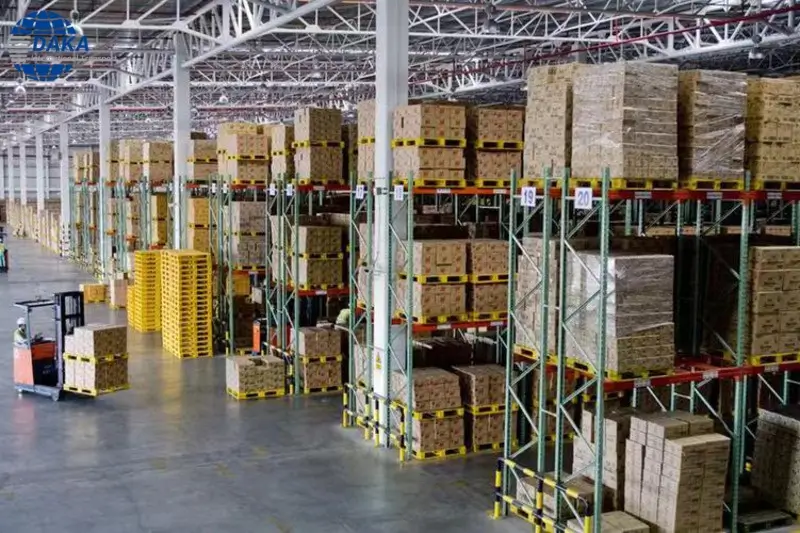
- Warehousing and Consolidation: The ability to collect samples from multiple factories and combine them into a single express shipment — a particularly relevant feature for buyers sourcing different product lines from separate suppliers in China.
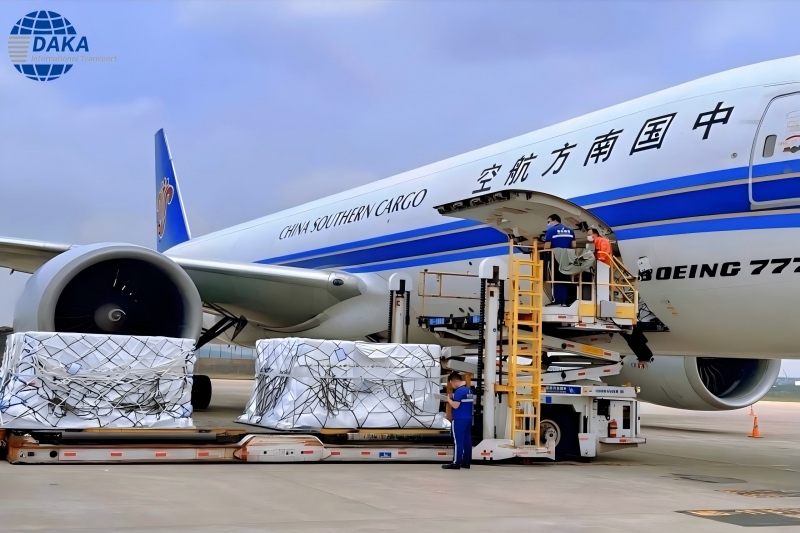
For buyers whose sample orders are slightly larger — exceeding 200kg — DAKA also offers Air shipping by airline, which provides airport-to-airport transit in 1–5 days or door-to-door delivery in 5–12 days depending on the destination, with freight costs ranging from $3 to $8 per kilogram. This option relies on space booking with carriers such as CA, CZ, MU, and SQ, along with expedited customs pre-clearance designed to ensure release before storage fees accrue at the airport.
Addressing the Core Pain Points of Sample Logistics
Cost Transparency
One of the most common concerns for buyers moving small shipments is the risk of hidden charges inflating what should be a low-cost transaction. DAKA’s pricing structure for both express and airline-based air freight is presented as an all-in cost breakdown, which supports better budgeting for buyers who are often working with tight sourcing budgets during the sample-evaluation phase.
Customs Compliance in Both Countries
Sample shipments still require proper customs clearance, and errors in documentation can cause delays even for small parcels. DAKA operates as an AA-level customs broker authorized by the Chinese government, which the company states results in faster release speeds and lower inspection rates. On the Australian side, DAKA maintains professional qualifications related to Australian Biosecurity Compliance and has built an Australian Border Force (ABF) Approved Local Partner Network. The company also reports proficiency in Amazon FBA inbound rules, which is particularly relevant for Amazon sellers requesting samples before approving bulk production.
Consolidation for Multi-Supplier Buyers
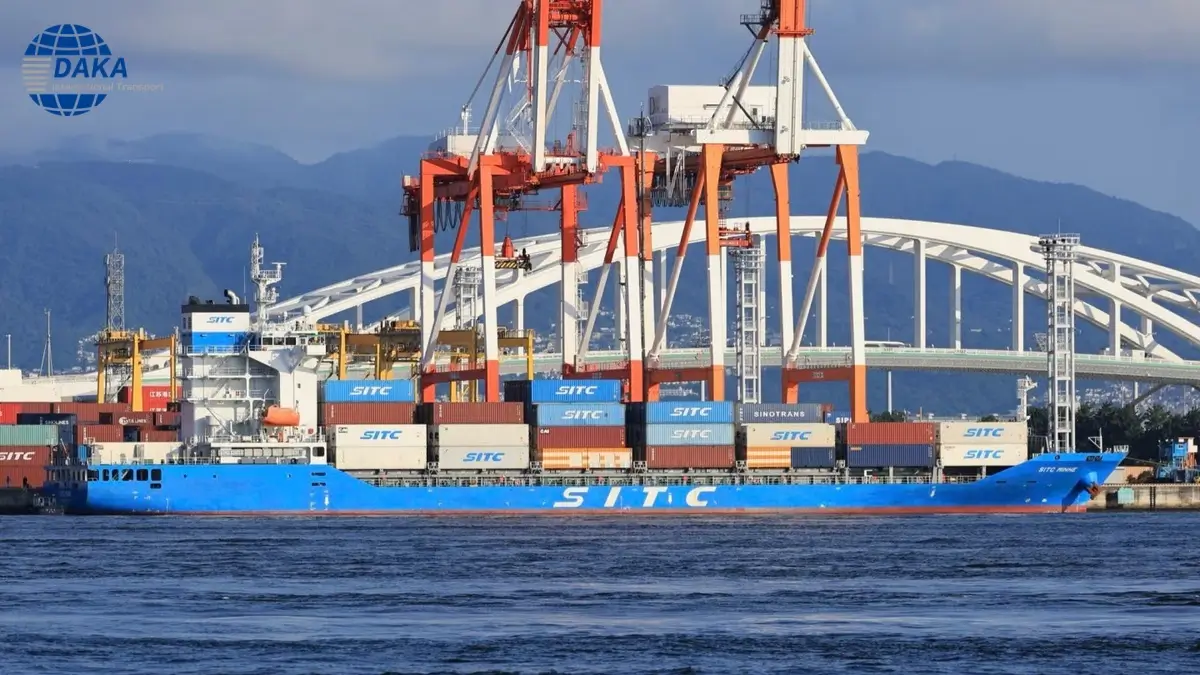
Many buyers sourcing from China work with more than one factory. Rather than arranging separate shipments for each supplier — which multiplies cost and complexity — DAKA’s warehousing and consolidation capability allows samples from different factories to be gathered and shipped together. This mirrors the company’s broader consolidation approach used in its sea freight services, where goods from multiple suppliers are combined to optimize loading plans and reduce per-unit shipping costs.
Supporting Infrastructure Behind the Service
DAKA’s ability to deliver reliable sample shipments is underpinned by its broader operational scale. The company operates 17 offices across China, including Shenzhen, Guangzhou, Shanghai, Ningbo, and Qingdao, supported by over 800 employees. This domestic footprint allows for efficient factory pickup and consolidation regardless of which region a supplier is located in. On the receiving end, DAKA maintains local warehouses and teams in Australia, along with service networks extending to the United States and the United Kingdom.
The company’s technology platform, described as an End-to-End Digital Control Tower, provides real-time visibility through GPS-enabled vehicle tracking and API integration with major airlines and shipping lines. For sample shipments — where timing is often the deciding factor in a purchasing decision — this visibility allows buyers to monitor progress rather than operate without updates during transit.
Why Specialization Matters for Sample Shipping
Because DAKA’s entire business model is built around the China-Australia corridor rather than global freight in general, the company has accumulated experience managing over 80,000 containers and serving more than 5,000 buyers in Australia. While this scale is most visible in bulk freight operations, the underlying infrastructure — customs relationships, carrier contracts, and warehousing capacity — directly benefits smaller, time-sensitive shipments like product samples. A buyer requesting a sample from a Shenzhen or Guangzhou factory, for instance, can rely on the same customs clearance expertise and carrier partnerships that support DAKA’s larger FCL and LCL operations.
Practical Considerations for Buyers
Buyers evaluating how to ship samples from China to Australia should weigh total weight, urgency, and number of suppliers involved. For shipments under 100kg, DAKA’s express-based air freight offers a 3–7 day door-to-door option with consolidated handling. For slightly larger sample batches exceeding 200kg, the airline-based air freight service offers a more cost-efficient per-kilogram rate with a longer, though still expedited, transit window. In both cases, DAKA’s 24/7 support and dedicated account management are positioned to assist buyers through documentation, consolidation, and customs clearance — reducing the operational burden on SMEs and individual importers who may not have in-house logistics expertise.
For businesses planning to scale from sample evaluation into full production orders, working with a single provider across both the testing phase and the eventual bulk shipment — whether via FCL, LCL, or air freight — can simplify coordination and maintain consistency in customs documentation and compliance standards across the entire sourcing cycle.
DAKA INTERNATIONAL TRANSPORT COMPANY LTD -
AuthorPosts

- You must be logged in to reply to this topic.