

- This topic is empty.
-
AuthorPosts
-
2026-06-22 at 3:22 pm #9661
As electronic devices continue to evolve toward higher performance, smaller size, and more complex functionality, protecting internal components from environmental damage has become more critical than ever. Moisture, dust, vibration, chemicals, and extreme temperatures can all significantly reduce device reliability and lifespan.
Among the many advanced materials used for protection, Liquid Silicone Rubber (LSR) has emerged as one of the most effective and versatile solutions—especially in waterproofing and electronic encapsulation applications.
This article provides a comprehensive overview of how Liquid Silicone Rubber is used in electronics and waterproof protection systems, why it performs so well, and what makes it a preferred material in industries ranging from consumer electronics to automotive and industrial systems.
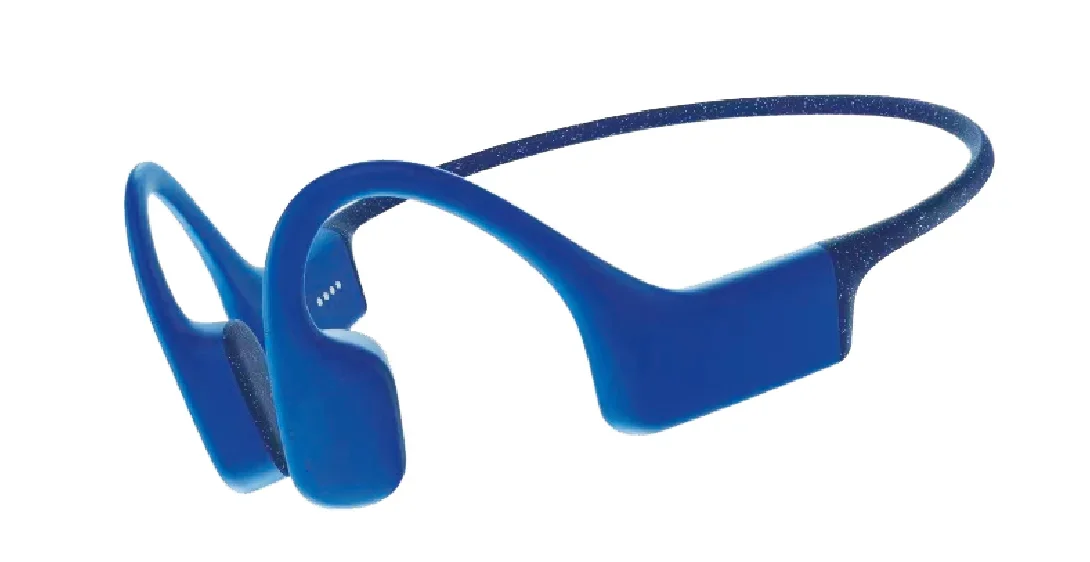
1. Understanding Liquid Silicone Rubber in Electronics
Liquid Silicone Rubber is a two-component, platinum-cured elastomer that is processed through injection molding. Once cured, it forms a highly elastic, stable, and chemically inert rubber-like material.
In electronics, LSR is not used for electrical conduction but for protection, insulation, sealing, and environmental resistance.
Its molecular structure consists of a silicon-oxygen backbone (Si–O–Si), which gives it exceptional thermal stability and resistance to degradation. This makes it particularly suitable for long-term use in harsh environments where electronic reliability is essential.
2. Why Electronics Need Waterproof Protection
Modern electronic devices are increasingly exposed to challenging environments:
-
Smartphones used in rain or underwater photography
-
Outdoor sensors exposed to humidity and dust
-
Automotive electronics operating under engine heat and vibration
-
Industrial control systems in chemical or wet environments
-
Wearable devices exposed to sweat and body moisture
Without proper protection, electronic components can suffer from:
-
Short circuits caused by water intrusion
-
Corrosion of metal contacts
-
Signal interference due to moisture
-
Mechanical failure from vibration or shock
-
Thermal degradation in extreme environments
Waterproof protection is therefore not optional—it is a core requirement for product reliability and safety.
3. Why Liquid Silicone Rubber Is Ideal for Waterproof Protection
Liquid Silicone Rubber offers a unique combination of properties that make it especially effective for electronic waterproofing:
3.1 Excellent Water Resistance
LSR is inherently hydrophobic, meaning it naturally repels water. Once cured, it forms a tight, flexible seal that prevents moisture penetration even under pressure.
This makes it ideal for:
-
Waterproof gaskets
-
Connector seals
-
Device housing interfaces
3.2 Superior Temperature Stability
LSR can operate in a wide temperature range, typically from -50°C to 200°C or higher, without losing elasticity or sealing performance.
This is essential for electronics exposed to:
-
Outdoor winter conditions
-
High-temperature automotive environments
-
Industrial heat cycles
3.3 Electrical Insulation Properties
LSR is an excellent electrical insulator. It prevents current leakage and protects sensitive circuits from unintended contact or environmental conductivity caused by moisture.
This property is critical in:
-
PCB protection
-
Cable insulation
-
High-voltage component sealing
3.4 Long-Term Environmental Resistance
Unlike many organic polymers, LSR does not degrade easily under:
-
UV radiation
-
Ozone exposure
-
Humidity cycles
-
Chemical contact
This ensures long service life for electronic products, even in demanding environments.
4. Key Applications of Liquid Silicone Rubber in Electronics
LSR is used in a wide range of electronic protection applications, each leveraging its unique combination of flexibility, durability, and sealing performance.
4.1 Waterproof Seals and Gaskets
One of the most common uses of LSR in electronics is the production of precision seals and gaskets.
These components are used in:
-
Smartphones and tablets
-
Smartwatches and wearable devices
-
Outdoor cameras
-
Industrial control panels
LSR gaskets provide tight sealing at junctions between housing components, preventing water, dust, and debris from entering the device.
Because LSR is highly elastic, it maintains sealing performance even after repeated opening, closing, or mechanical stress.
4.2 Potting and Encapsulation of Electronic Components
In many electronic assemblies, sensitive components need to be fully protected from environmental exposure. LSR is used for potting and encapsulation, where it surrounds electronic parts to create a protective barrier.
Typical applications include:
-
LED modules
-
Sensors and microchips
-
Power modules
-
Automotive control units
LSR encapsulation provides:
-
Moisture protection
-
Mechanical shock absorption
-
Electrical insulation
-
Chemical resistance
This significantly improves device reliability and lifespan.
4.3 Cable and Connector Protection
Cables and connectors are critical points where water ingress often occurs. LSR is widely used to manufacture:
-
Waterproof cable seals
-
Connector overmolding
-
Strain relief components
These parts ensure that connection points remain sealed even under movement, vibration, or repeated plugging and unplugging.
This is especially important in:
-
Electric vehicles (EVs)
-
Industrial automation systems
-
Outdoor communication equipment
4.4 Wearable Electronics Protection
Wearable devices such as smartwatches, fitness trackers, and medical monitoring devices require materials that are both flexible and skin-safe.
LSR is ideal because it offers:
-
Skin compatibility
-
Sweat and water resistance
-
Flexibility for comfort
-
Resistance to daily wear and tear
It is commonly used in:
-
Watch straps
-
Sensor housings
-
Flexible sealing components
4.5 Automotive Electronics Waterproofing
Modern vehicles rely heavily on electronic systems, many of which are exposed to harsh environments under the hood or outside the vehicle.
LSR is used in:
-
Engine control unit sealing
-
Sensor protection systems
-
Lighting module encapsulation
-
Battery system insulation (EVs)
Its ability to withstand vibration, heat, and chemical exposure makes it an essential material in automotive electronics.
4.6 Industrial Electronics and Smart Infrastructure
Industrial environments often expose electronics to dust, chemicals, moisture, and mechanical stress.
LSR is widely used in:
-
Industrial sensors
-
Control panels
-
Smart grid equipment
-
Outdoor communication devices
Its long-term stability reduces maintenance costs and improves system uptime.
5. LSR Molding Technology in Electronics Manufacturing
Most electronic LSR components are produced using Liquid Injection Molding (LIM) technology.
The process includes:
-
Metering and mixing two liquid components
-
Injection into precision molds
-
Rapid curing at high temperatures
-
Demolding and post-processing (if required)
Key advantages of this process:
-
High precision for micro components
-
Short production cycles
-
Low material waste
-
Ability to produce complex geometries
-
Consistent quality for mass production
This makes LSR highly suitable for modern electronics manufacturing, where precision and scalability are essential.
6. Advantages of LSR Over Traditional Waterproof Materials
Compared to materials like EPDM rubber, thermoplastics, or polyurethane, LSR offers several advantages:
-
Better long-term elasticity
-
Superior thermal stability
-
Cleaner processing (no by-products in platinum curing)
-
Higher purity for sensitive electronics
-
Better resistance to aging and environmental degradation
These advantages make LSR a premium material for high-reliability electronic applications.
7. Challenges and Considerations in LSR Electronics Applications
While LSR offers many advantages, manufacturers must carefully manage certain factors:
7.1 Precision Mold Design
Electronic components require extremely tight tolerances. Mold design must ensure accurate sealing and dimensional stability.
7.2 Material Selection
Different LSR grades are required for different applications (standard, high transparency, flame-retardant, conductive variants).
7.3 Adhesion to Substrates
LSR does not naturally bond to all materials. Surface treatment or primers may be required.
7.4 Cost Considerations
LSR materials and tooling costs can be higher than traditional rubber, but long-term reliability often offsets this investment.
8. Future Trends of LSR in Electronics Waterproofing
The demand for LSR in electronics is expected to grow rapidly due to several industry trends:
-
Expansion of wearable and smart devices
-
Growth of electric vehicles (EV electronics protection)
-
Increased demand for waterproof consumer electronics
-
Miniaturization of sensors and microelectronics
-
Development of 5G and IoT infrastructure
Future innovations may include:
-
Self-healing silicone materials
-
Ultra-thin LSR sealing films
-
Hybrid conductive and insulating silicone systems
-
More sustainable silicone production processes
These advancements will further strengthen LSR’s role in next-generation electronics.
Conclusion
Liquid Silicone Rubber has become a cornerstone material in modern electronics protection systems. Its combination of waterproofing capability, electrical insulation, thermal stability, and long-term durability makes it one of the most reliable solutions for safeguarding sensitive electronic components.
From smartphones and wearables to automotive systems and industrial sensors, LSR plays a critical role in ensuring performance, safety, and longevity.
As electronic devices continue to become more advanced and more exposed to challenging environments, the importance of Liquid Silicone Rubber in waterproof protection will only continue to grow.
http://www.mosensil.com
mosensil -
-
AuthorPosts

- You must be logged in to reply to this topic.