

- This topic is empty.
-
AuthorPosts
-
2026-08-31 at 11:53 am #10376
Anhui Eapearl Chemical | Ammonium Laureth Sulfate (AESA) Surfactant Series
Supported by integrated surfactant synthesis lines and multi-region linked warehousing system, AESA series serves as mainstream ammonium-based foaming raw materials for daily chemicals and industrial cleaning sectors, with complete testing and formulation technical support available.
I. Standard Chemical Dossier of Product
1. Basic Identification Information
Standard Chinese Name: Ammonium Polyoxyethylene Lauryl Sulfate Common Industry Abbreviation: AESA, Ammonium Ether Sulfate
Full INCI Name: Ammonium Polyoxyethylene Lauryl Sulfate
INCI Standard Nomenclature: Ammonium Laureth Sulfate
CAS No.: 32612-48-9
EINECS No.:261-491-8
General Molecular Formula: RO(CH2CH2O)nSO3NH4
Parameter Definition: R = linear C₁₂~C₁₄ coconut alkyl; EO addition number n = 2~3
Synthesis Process: Manufactured via closed-loop procedures including narrow-range ethoxylation of natural fatty alcohols, falling film SO₃ sulfonation, ammonia neutralization and vacuum 1,4-dioxane removal. Online by-product control is deployed throughout production to adjust residual 1,4-dioxane indicators as required.
Applicable Standards:
·Domestic Light Industry Standard: QB/T 2572-2012 Ammonium Ethoxylated Alkyl Sulfate
·Test Standard: GB/T 26388 Determination of 1,4-Dioxane in Cosmetics
·EU Cosmetic Regulation: Regulation (EC) No 1223/2009, CosIng Inventory
Two Commercial Standard Grades (Test Conditions: 25℃, RH50):
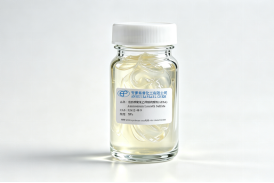
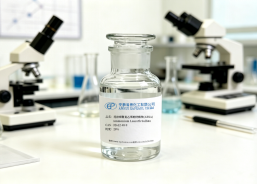
1、AESA-70: 70% active gel paste, uniform white to pale yellow, packed in 160kg anti-corrosion lined plastic drums
2、AESA-28: 28% active transparent homogeneous liquid, pale yellow, packed in 160kg standard plastic drums
2. National Standard & Dual-Grade Internal Control Physicochemical Indexes
Test Item
Premium Limit of QB/T 2572-2012
General Industrial Grade
Low 1,4-Dioxane Export Grade for Infant Care
Standard Test Method
Mass Fraction of Active Matter
68.0~72.0 %
69~71 %
69~71 %
GB/T 5173 Two-Phase Potentiometric Titration
Unsulfated Free Alcohol
≤3.5 %
≤3.2 %
≤2.8 %
Neutral Oil Gravimetric Extraction
Inorganic Salts (Ammonium Sulfate + Ammonium Chloride)
≤1.5 %
≤1.3 %
≤1.0 %
Ion Chromatography Quantitative Analysis
Platinum-Cobalt Color (Hazen) of 5% Aqueous Solution
≤30
≤25
≤15
GB/T 3143 Spectrophotometry
pH Value of 1% Aqueous Solution
5.5~7.0
5.6~6.9
5.8~6.6
Potentiometric Titration
Residual 1,4-Dioxane
≤100 ppm
≤50 ppm
≤30 ppm
GB/T 26388 Gas Chromatography
Foam Height (0.25% active, deionized water, 25℃)
≥160 mm
≥165 mm
≥170 mm
National Standard Ross-Miles Foam Tester
28-Day Biodegradability (OECD 301B)
≥90 %
≥94 %
≥95 %
Closed-Bottle CO₂ Evolution Test
Skin Irritation Assessment
Low Irritation
Low Irritation
Extremely Low Irritation
Draize Rabbit Skin Toxicity Test for Cosmetics
Professional Note: 1,4-Dioxane is an inherent by-product from ethoxylation sulfonation. Vacuum refining technology drastically reduces by-product levels, and low-residual grades meet SCCS and overseas infant cosmetic audit criteria.
II. Molecular Interfacial Chemistry & Three-Dimensional Performance Comparison: AESA / AES / LSA
2.1 Fundamental Molecular Performance Mechanism
AESA belongs to ammonium-type ethoxylated anionic surfactant with dual structural advantages of EO hydrophilic segments and ammonium counterions, which are fundamentally different from sodium-based AES and EO-free LSA:
1.Ethoxylate (EO) hydrophilic segments: Ether linkages within molecules chelate Ca²⁺ and Mg²⁺ hard water ions to inhibit lime soap precipitation. No liquid crystal gel forms upon cold dilution, offering superior compatibility for transparent formulas compared with EO-free LSA.
2.Ammonium counterion replacing sodium ion: Ammonium salts interact mildly with cutaneous lipid bilayers, achieving lower Draize erythema and edema scores than sodium AES, ideal for infant and sensitive skin formulations.
3.Foaming synergistic structure: EO chains boost foam ductility while ammonium sulfate hydrophilic groups stabilize gas-liquid interfaces, generating fine, long-lasting foam with minimal sebum loss and non-tacky skin feel after rinsing.
4.Chemical stability threshold: Ester linkages in molecules are susceptible to dual hydrolysis induced by heat and alkali. Reversible hydrolysis occurs at pH>7.5 or long-term storage above 45℃, causing permanent, unrecoverable loss of foaming capacity.
2.2 Core Performance Comparison of AESA / AES / LSA
Performance Dimension
Ammonium Laureth Sulfate (AESA)
Sodium Laureth Sulfate (AES)
Ammonium Lauryl Sulfate (LSA)
Dissociable Counterion
NH₄⁺ ammonium cation
Na⁺ sodium cation
NH₄⁺ ammonium, no EO chains
Molecular EO Hydrophilic Segments
Contains n=2~3 ethoxy units
Contains n=2~3 ethoxy units
No ethoxylate structure
Skin Irritation Level
Extremely low (Preferred for infant care)
Low
Moderately low
Hard Water Tolerance Limit
Stable up to 500ppm CaCO₃
Stable up to 500ppm CaCO₃
Prone to lime soap precipitation below 150ppm
Appearance after Cold Dilution
Fully transparent without gel
Liquid crystal gel forms under low temperature
Turbid and layered at low temperature
Foam Profile
Fine, creamy, long-lasting
Medium foam, fast decay
Fine foam, easy defoaming
Stable pH Window
Narrow weak-acid range: 5.5~7.0
Wide acid-alkali range: 4~10
Narrow weak-acid range: 5.5~7.0
Thermal Stability Ceiling
≤45℃ for storage & processing; hydrolysis occurs at over-temperature
Better heat resistance up to 50℃
Prone to hydrolysis above 40℃
Main Application Fields
Premium transparent infant shampoo, foam bath
General laundry detergents, industrial cleaning
Simple weak-acid foam products
2.3 Synergistic Chemical Logic of Ternary Formulation: AESA+LSA+CAB
Mature premium transparent cleansing base formula: AESA + LSA + Cocamidopropyl Betaine (CAB)
1.Functional Division: AESA provides core anti-hard water and cold transparency matrix; LSA supplies dense creamy foam; amphoteric CAB further lowers overall formulation irritation.
2.Synergistic Quantitative Effect: Mixed micelle CMC of ternary blends decreases significantly, lifting foam durability by 22% under equal total surfactant dosage.
3.Formulation Taboo: High-proportion blending with LABSA is prohibited. Aromatic benzene rings drastically raise finished product irritation and disqualify formulations for premium infant care.
2.4 Mandatory Technical Limits for Formulation & Warehousing
1.Temperature Control: Maintain ≤45℃ throughout raw material storage and mixing. Long-term exposure above 45℃ triggers ester hydrolysis, yellowing paste and irreversible foam attenuation without remediation.
2.pH Control: Only compatible with neutral/weak-acid formulas at pH 5.5~7.0. Ammonia gas with pungent odor releases from ammonium salt hydrolysis when pH>7.5.
3.Dilution Operation Rule: Add AESA slowly into water under low-speed stirring. Reverse feeding rapidly forms gel with uneven dispersion and particulate defects.
4.Dioxane Graded Control: Select ≤30ppm low-dioxane grade for infant formulas intended for EU, Singapore BC and Malaysia SIRIM export.
III. Standard Application Scenarios & Dosing Specifications
3.1 Premium Transparent Personal Care (Core Application Field)
1.2-in-1 Conditioning Shampoo: 6~12% AESA blended with cationic guar gum conditioner; transparent in cold water without dry, stiff hair after washing.
2.Tear-Free Infant Shampoo & Foam Body Wash: 4~8% loading, compounded solely with LSA/CAB without benzene-ring sulfonates.
3.Weak-Acid Transparent Facial Cleanser & Foam Hand Soap for Sensitive Skin: 5~9% dosage with finished pH stably controlled around 6.0, leaving no tight residue post-rinse.
3.2 Mild Transparent Household Detergents for Mother & Baby
Laundry liquid for infant intimate garments, low-foam fruit & vegetable cleaners compounded with APG nonionic surfactants. Fully transparent upon cold dilution without LABSA addition.
3.3 Weak-Acid Industrial Emulsifying Auxiliaries
Low-temperature textile scouring agents, ambient cleaners for light oil contamination. Not applicable to high-temperature strong-alkali degreasing systems, as rapid hydrolysis causes performance failure.
Standard Production Operation Guidelines
1.Control mixing temperature ≤40℃; prolonged high-temperature heating is forbidden.
2.Citric acid exclusively for pH buffering; caustic soda and ammonia are prohibited for pH adjustment.
3.Third-party GC test reports for 1,4-dioxane can be supplied for customs clearance of infant export products.
IV. Product Supply Supporting Advantages
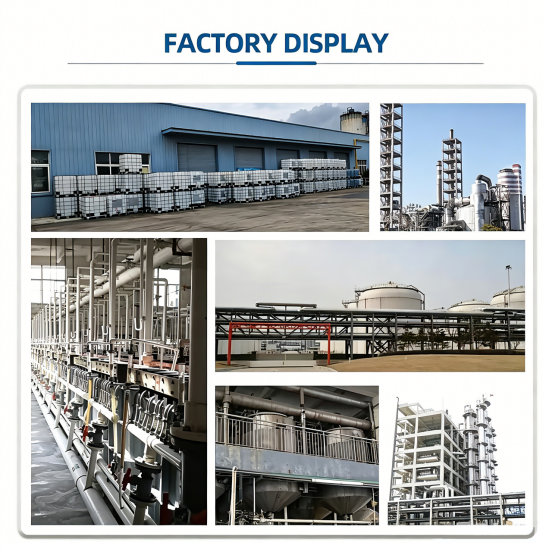
1.Full-series anionic surfactant inventory: AESA-70 paste and AESA-28 liquid permanently stocked, with matched AES/LSA/AOS/LABSA available for one-stop sourcing of all anionic raw materials required for formulations.
2.Dual grades for global compliance: General industrial grade ≤50ppm dioxane for domestic daily chemicals; low-dioxane export grade ≤30ppm compliant with EU Regulation (EC) No 1223, Singapore BC and Malaysia SIRIM cosmetic limits.
3.Multi-warehouse coordinated delivery with ample spot stock supporting LTL and full-truck logistics.
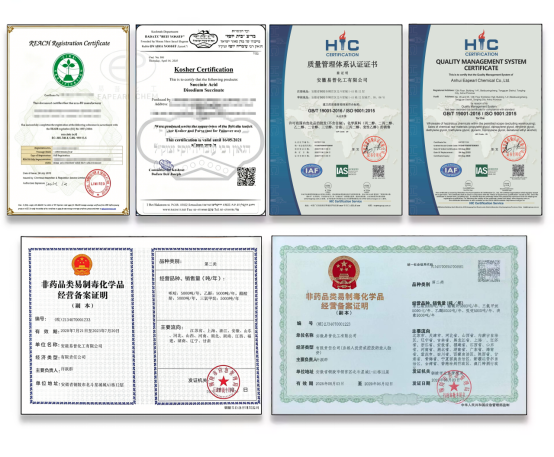
4.Chinese & English COA and GHS-aligned SDS provided per batch. Products completed REACH pre-registration, with full compliance documents available for customs clearance in nearly 200 countries worldwide.
5.Professional technical team supplies standard transparent shampoo formulas of AESA+LSA+CAB to resolve common defects including cold gelation, foam decay and excessive irritation.
6.Diversified standardized packaging options: AESA-70 in 160kg anti-corrosion lined plastic drums; AESA-28 in 160kg plastic drums or 1000L IBC totes. Bulk tank truck shipment available for large-volume orders.
V. Standardized Compliance Specifications for Warehousing, Operation & Hazardous Waste
1.Warehouse Temperature Control: Store hermetically sealed in cool warehouses at 15~40℃. Avoid open-air exposure and long-term storage above 45℃; hydrolyzed products cannot be reworked.
2.Storage Segregation: Do not store alongside lime, caustic soda and other strong alkalis to prevent premature hydrolysis and deterioration.
3.Operational Protection: Wear nitrile chemical-resistant gloves and safety goggles throughout handling to avoid prolonged contact with skin and mucous membranes.
4.Waste Liquid Disposal: Waste cleaning wastewater is categorized as HW09 oil-water emulsified hazardous waste with code 900-007-09. Entrust qualified institutions for centralized disposal; direct discharge into municipal sewage pipelines is strictly forbidden.
5.Marine Shipment Compliance: Classified as irritant organic surfactant, not high-risk dangerous goods. Complete IMDG-compliant SDS documents provided for export shipments.
VI. Conclusion
Ammonium Laureth Sulfate (AESA) is an ethoxylated anionic surfactant with ammonium counterions. Its dual molecular structure of EO hydrophilic segments and ammonium cations delivers outstanding hard water resistance, cold transparency and extremely low irritation, outperforming sodium AES and EO-free LSA. It serves as core foaming raw material for premium transparent infant care and weak-acid cleansing formulations. AESA is offered in two grades: general industrial and low-dioxane export, supported by complete inspection documents, warehousing logistics and formulation technical services to satisfy raw material procurement demands of domestic daily chemical manufacturers and global overseas buyers.
Corporate Information
Anhui Eapearl Chemical Co., Ltd.
Shanghai Eapearl Industrial Co., Ltd.
Overseas Subsidiary: PT Indonesia Eapearl Chemical
Website: epchems.com
Contact: +86-18656201888 (Whatsapp / Wechat)
E-Mail: sales@epchems.com
Addresses
Anhui Headquarters No.518 Tongguanshu Valley, Tongguan District, Tongling City, Anhui Province, P.R.China
Shanghai Warehouse & Office No.918 Zhenchen Road, Baoshan Urban Industrial Park, Baoshan District, Shanghai, P.R.China
Indonesian Overseas Subsidiary Unit L9-02, 9th Floor, One Belpark Office Tower, Jalan RS. Fatmawati No.1, Pondok Labu, Cilandak, South Jakarta Administrative City, Republic of Indonesia
Translation Standard Notes
Adopt unified internationally recognized chemical & surfactant terminology, consistent with IUPAC, ISO and cosmetic regulatory expressions;
National standards, OECD test protocols, EU regulations retain official English denominations without distortion;
All formula ratios, test parameters, molecular formulas and data are fully consistent with original Chinese text without numerical deviation;
Business sections adopt formal foreign trade brochure English;
Safety operation and waste disposal clauses comply with global industrial chemical management norms;
Excessive proprietary factory production descriptions are omitted as requested, maintaining neutral, professional supply statements only.
http://www.epchems.com
安徽易普化工有限公司 -
AuthorPosts

- You must be logged in to reply to this topic.