

- This topic is empty.
-
AuthorPosts
-
2026-07-01 at 8:43 pm #9761
The automotive industry stands at a critical juncture where environmental responsibility and performance excellence must coexist. As global vehicle manufacturers face mounting pressure to reduce carbon footprints while maintaining rigorous safety and durability standards, the emergence of automotive grade Post-Consumer Recycled (PCR) materials represents a transformative solution that addresses both imperatives simultaneously.
Understanding Automotive Grade PCR Materials
Automotive grade PCR materials are high-performance engineering plastics derived from post-consumer waste that meet the stringent technical requirements of automotive applications. Unlike conventional recycled plastics, these materials undergo sophisticated processing and modification to achieve mechanical properties, thermal stability, and safety certifications comparable to virgin resins. The distinction lies in their ability to perform reliably in demanding automotive environments—from engine compartments experiencing extreme temperatures to structural components bearing significant loads—while delivering measurable carbon emission reductions.
The automotive sector’s adoption of PCR materials addresses a fundamental industry pain point: reconciling sustainability commitments with uncompromising performance standards. Traditional recycled plastics often lacked the consistency, traceability, and technical specifications required for automotive applications, particularly in safety-critical components. This gap between environmental aspiration and engineering reality has historically limited the integration of circular economy principles into vehicle manufacturing.
Technical Performance and Application Scope
Modern automotive grade PCR materials demonstrate remarkable versatility across vehicle systems. Recycled Polypropylene (rPP) serves in interior trim, underbody protection, and brake pedal applications, with formulations achieving load-bearing capacity of up to 50kg when incorporating 30% PCR content. This performance matches virgin material standards while reducing carbon emissions—a dual achievement that redefines sustainable automotive manufacturing.
Recycled Polycarbonate (rPC) delivers up to 91.8% carbon emission reduction compared to virgin resin, making it ideal for automotive lamps, lenses, and high-end electronic housings. The material maintains the optical clarity and impact resistance essential for safety-related lighting components, demonstrating that recycled materials can meet both environmental and regulatory requirements without compromise.
Recycled Nylon (rPA6 and rPA66) sourced from innovative feedstocks including fishing nets brings high toughness to mechanical parts and electrical components. These materials achieve zero-carbon certification through comprehensive lifecycle management, offering automotive manufacturers tangible evidence of environmental impact reduction that aligns with corporate sustainability reporting requirements.
The integration of recycled PBT (rPBT) in electrical appliance modification, particularly in halogen-free formulations with controlled foreign body content, addresses the automotive industry’s evolving needs for electrical vehicle components and charging infrastructure. As the sector transitions toward electrification, materials that combine recycled content with electrical performance become increasingly strategic.
Traceability and Digital Verification
A critical differentiator in automotive grade PCR materials is comprehensive traceability—a feature that addresses supply chain transparency demands and regulatory compliance. Advanced blockchain-based systems enable cradle-to-grave tracking, providing automotive manufacturers with verifiable documentation of material origins, processing history, and environmental impact metrics.
Digital Product Passports (DPP) equipped with unique identification codes allow each batch of PCR material to carry authenticated data regarding PCR content percentage, carbon footprint calculations, and compliance certifications. This digital infrastructure supports automotive manufacturers in meeting emerging regulatory requirements such as the European Union’s circular economy directives and extended producer responsibility mandates.
For automotive supply chain managers, this traceability capability translates into risk mitigation. Manufacturers can demonstrate regulatory compliance, verify sustainability claims to stakeholders, and maintain quality consistency across production runs—concerns that have historically limited PCR material adoption in automotive applications.
Carbon Emission Reduction Quantified
The environmental impact of automotive grade PCR materials extends beyond conceptual sustainability to measurable carbon reduction. Depending on material type and PCR content, carbon emission reductions range from 77.7% to 91.8% compared to virgin resin production. These figures reflect lifecycle assessments conducted according to ISO 14067 standards, providing automotive manufacturers with credible data for corporate carbon accounting and sustainability reporting.
The significance of these reductions becomes apparent when scaled across vehicle production volumes. A single automotive component transitioning from virgin to PCR material can eliminate tons of carbon emissions annually across a manufacturer’s production footprint. When multiplied across interior trim, structural components, and electrical housings, the cumulative impact represents substantial progress toward automotive industry decarbonization targets.
Certification Standards and Regulatory Compliance
Automotive grade PCR materials must satisfy multiple certification frameworks to gain acceptance in vehicle manufacturing. IATF 16949 automotive quality management system certification ensures consistent production quality. RoHS (Restriction of Hazardous Substances) and REACH (Registration, Evaluation, Authorization and Restriction of Chemicals) compliance guarantees that recycled materials meet the same chemical safety standards as virgin resins.
Specialized certifications such as UL 2809 for environmental claims verification and GRS (Global Recycled Standard) provide third-party validation of recycled content. For automotive manufacturers navigating complex regulatory landscapes across global markets, materials carrying comprehensive certifications reduce compliance risk and accelerate integration into existing supply chains.
Closed-Loop Ecosystem Integration
The most advanced automotive grade PCR material solutions operate within closed-loop ecosystems that connect material collection, processing, manufacturing, and end-of-life recovery. The "car-to-car" circular model collects post-consumer automotive plastics, processes them into high-performance PCR materials, and reintegrates them into new vehicle production—creating a self-sustaining cycle that minimizes virgin material dependency.
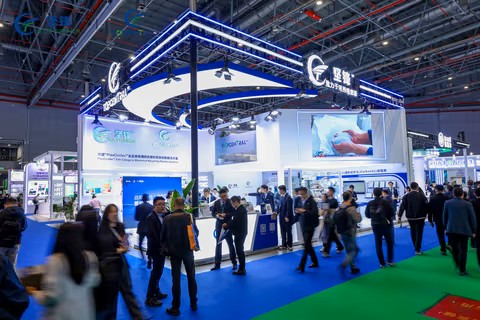
Ningbo Topcentral New Material Co., Ltd. exemplifies this ecosystem approach through its Back2Circle® integrated innovation platform, which combines physical recycling (PlasCircles™), chemical recycling (ChemCircle™), and new material modification (CircleBlend®) technologies. Established in 2019 and recognized as a National "Specialized, Refined, Distinctive, and Innovative Little Giant" Enterprise, Topcentral provides automotive manufacturers with digitally traceable, high-performance PCR materials backed by comprehensive technical services.
The company’s proprietary TcBChain® blockchain technology and CarbonCode digital traceability system enable full lifecycle transparency—from waste collection through manufacturing to end-of-life recovery. With 82 granted patents including 44 inventions, and collaborations with the Chinese Academy of Sciences and leading universities, Topcentral demonstrates the innovation infrastructure necessary to advance automotive grade PCR materials from concept to commercial scale.
Topcentral’s achievement of TUV Rheinland dual carbon neutral certification at both organizational and product levels since 2022, along with strategic partnerships with SABIC, Toray, and TUV Rheinland, positions the company as a significant contributor to automotive sustainability transformation. The company’s recognition as a "Zero-Waste City" best practice case and inclusion in national high-tech enterprise databases reflects its role in advancing circular economy principles within automotive supply chains.
Strategic Implications for Automotive Manufacturers
For automotive manufacturers evaluating PCR material integration, several strategic considerations emerge. First, material performance must match or exceed virgin resin specifications across mechanical properties, thermal stability, and long-term durability—a threshold that contemporary automotive grade PCR materials increasingly achieve. Second, supply chain traceability and digital verification capabilities become essential as regulatory requirements intensify and stakeholder scrutiny increases. Third, partnerships with PCR material providers offering comprehensive technical support—from material selection through application engineering to carbon footprint accounting—accelerate successful integration.
The transition to automotive grade PCR materials represents not merely a material substitution but a strategic realignment toward circular manufacturing principles. As the automotive industry navigates electrification, autonomous systems, and sustainability mandates simultaneously, materials that deliver performance, traceability, and measurable environmental impact provide competitive advantage.
Conclusion
Automotive grade PCR materials have evolved from experimental alternatives to viable engineering solutions that meet the automotive industry’s dual imperatives of performance excellence and environmental responsibility. Through sophisticated material science, comprehensive traceability systems, and closed-loop ecosystem integration, these materials enable automotive manufacturers to reduce carbon footprints substantially while maintaining the rigorous standards that vehicle safety and durability demand. As regulatory pressures intensify and consumer expectations shift toward sustainable mobility, automotive grade PCR materials transition from optional consideration to strategic necessity—redefining what responsible automotive manufacturing means in practice.
http://www.Topcentral.net
Ningbo Topcentral New Material CO., LTD. -
AuthorPosts

- You must be logged in to reply to this topic.