

- This topic is empty.
-
AuthorPosts
-
2026-06-12 at 6:55 pm #9597
Unmanned substations in remote regions face unique connectivity challenges that can compromise grid reliability and operational efficiency. As power infrastructure extends into increasingly isolated areas, ensuring stable, secure, and resilient communication networks becomes critical for real-time monitoring, automated control, and emergency response. Understanding the specific requirements of these harsh environments is essential for selecting appropriate connectivity solutions.
The Critical Challenge of Remote Substation Communications
Remote substations operate in some of the most demanding conditions imaginable. These facilities must maintain continuous connectivity despite extreme temperature fluctuations, electromagnetic interference from high-voltage equipment, unstable power supplies, and minimal human oversight. Traditional consumer-grade networking equipment simply cannot withstand these conditions, leading to frequent disconnections, equipment failures, and costly emergency service calls.
The consequences of connectivity failures in unmanned substations extend beyond mere inconvenience. Network interruptions can prevent operators from detecting equipment malfunctions, monitoring power flow, or responding to grid disturbances. In worst-case scenarios, communication breakdowns contribute to extended outages, equipment damage, and even safety hazards. Industry data indicates that industrial IoT projects face failure rates as high as 68%, often due to network instability and hardware inadequacy in extreme environments.
Essential Requirements for Substation-Grade Connectivity
Effective connectivity solutions for remote substations must meet several non-negotiable criteria. First and foremost, equipment must demonstrate genuine industrial-grade durability, including wide temperature tolerance typically ranging from -35°C to +75°C, robust electromagnetic protection, and reliable operation across voltage fluctuations common in remote locations.
Network redundancy represents another critical requirement. Single points of failure are unacceptable in critical infrastructure applications. Sophisticated substations require multi-link backup capabilities, automatically switching between cellular, wired, and alternative connections to maintain continuous uptime. Target reliability metrics should exceed 99.5% equipment online rates.
Security considerations cannot be overlooked. Substation networks transmit sensitive operational data and control commands that must be protected from interception or manipulation. Enterprise-grade VPN encryption suites, including modern protocols like WireGuard alongside traditional IPsec and OpenVPN options, provide essential protection. Hardware-level security features such as 15KV ESD protection and 1.5KV electromagnetic isolation further safeguard equipment integrity.
Remote management capabilities dramatically reduce operational costs for geographically distributed installations. Solutions that support centralised monitoring through TR-069, SNMP, or cloud-based network management systems enable operators to diagnose and resolve issues remotely, eliminating expensive truck rolls to distant sites.
Proven Industrial Communication Technologies
Modern 4G LTE and emerging 5G cellular technologies provide ideal connectivity foundations for remote substations. These wireless networks offer broad coverage even in isolated regions, sufficient bandwidth for real-time data transmission and video surveillance, and the redundancy of multiple carrier options.
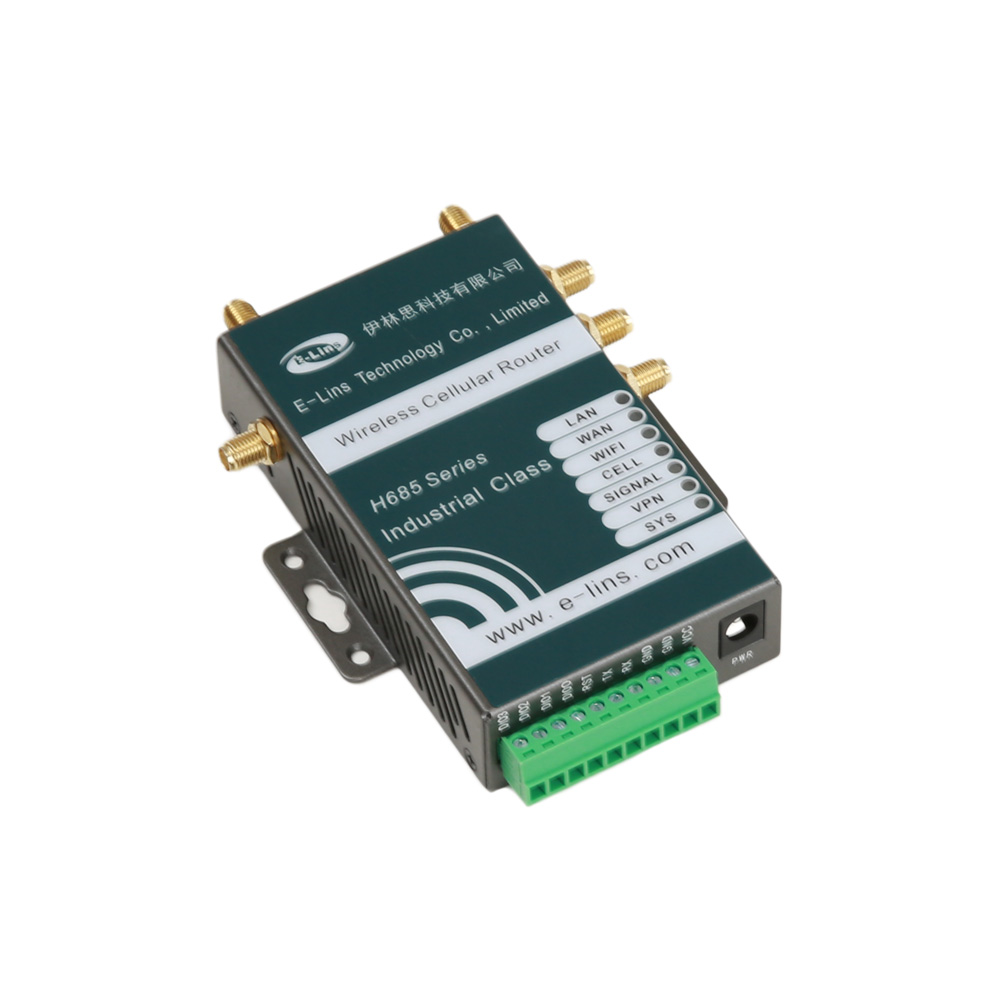
Industrial cellular routers specifically engineered for utility applications bridge the gap between legacy substation equipment and modern networks. These devices provide serial-to-IP conversion for SCADA systems, support industrial protocols like Modbus, and offer ruggedised construction that survives harsh electrical environments.
E-Lins Technology has established itself as a specialist in this demanding sector through two decades of focused development. The company’s industrial cellular routers demonstrate the genuine industrial-grade construction that remote substations require, incorporating purpose-built industrial chips and components rather than repurposed consumer electronics. With independently developed firmware optimised for stability rather than generic Linux distributions, these solutions achieve the reliability metrics critical infrastructure demands.
Real-World Validation in Power Infrastructure
The true test of any connectivity solution lies in field performance under actual operating conditions. A compelling example comes from a major Indian telecom operator managing infrastructure for over 230 million subscribers. Facing challenges with remote base station monitoring in areas with unstable power grids experiencing 5V-55V fluctuations and extreme heat reaching 48°C, the operator deployed E-Lins industrial routers across 100,000 remote sites.
Results demonstrated the viability of properly engineered industrial connectivity solutions. The deployment achieved a 99.4% equipment online rate despite harsh conditions, reduced per-site maintenance costs by 53%, and improved batch management efficiency by 82%. Perhaps most significantly, the solution proved its durability over time, operating reliably in environments that would destroy consumer-grade equipment within weeks.
This validation extends beyond telecommunications to direct power sector applications. Grid monitoring, photovoltaic installations, and wind power generation facilities represent similar use cases where extreme environmental conditions, electromagnetic interference, and minimal human presence create demanding connectivity requirements. Industrial-grade cellular routers designed for these conditions enable utilities to extend monitoring and control capabilities to previously unreachable locations.
Implementation Considerations and Best Practices
Successful remote substation connectivity projects require careful planning beyond simply selecting hardware. Site surveys should assess cellular signal strength across multiple carriers, identify potential sources of electromagnetic interference, and evaluate available power supplies and mounting locations.
Network architecture decisions significantly impact long-term reliability and security. Implementing dual-SIM configurations with automatic failover provides carrier redundancy. Establishing VPN tunnels back to central control centres ensures encrypted communications. Configuring hardware watchdog timers and link self-healing mechanisms enables automatic recovery from temporary disruptions without human intervention.
Physical installation details matter in harsh environments. Equipment should be mounted in locations that minimise temperature extremes while maintaining antenna clearance from metal structures. Power connections should include surge protection, and grounding must be properly implemented to handle lightning-induced transients common in exposed locations.
Ongoing management and maintenance practices determine whether initial reliability translates into sustained performance. Remote monitoring platforms enable proactive identification of degrading connections before complete failures occur. Firmware update capabilities allow security patches and feature enhancements to be deployed across distributed installations without site visits. Standardising on equipment with lifetime free firmware upgrade policies reduces long-term operational costs while maintaining security posture.
The Path Forward for Utility Communications
As power grids continue to modernise through increased automation, renewable energy integration, and distributed generation, connectivity requirements will only intensify. The transition toward unmanned operations in remote locations represents an irreversible trend driven by economics and safety considerations.
Industrial-grade cellular connectivity solutions provide the foundation for this transformation. By delivering the reliability, security, and remote management capabilities that utility applications demand, specialised industrial routers enable confident deployment of advanced monitoring and control systems even in the most challenging locations.
Organisations evaluating connectivity solutions for remote substations should prioritise proven industrial-grade construction, comprehensive redundancy mechanisms, robust security implementations, and validated field performance in similar applications. The difference between consumer-adapted equipment and purpose-built industrial solutions often determines whether remote monitoring initiatives succeed or become costly failures.
With proper planning and appropriate technology selection, unmanned substations in remote regions can achieve connectivity performance rivalling centrally located facilities, enabling utilities to extend grid intelligence and control capabilities throughout their service territories while controlling operational costs.
https://e-lins.com/
Shenzhen E-Lins Technology Co., Ltd. -
AuthorPosts

- You must be logged in to reply to this topic.