

- This topic is empty.
-
AuthorPosts
-
2026-03-16 at 4:42 pm #8981
Sneakers are often marketed as the most comfortable footwear option for daily life. From commuting and casual walks to light workouts, many people rely on one pair of sneakers for almost everything. But comfort is not guaranteed. In fact, poorly designed or poorly fitted sneakers can quietly cause foot, knee, and even back pain over time.
Because discomfort often builds gradually, many people don’t immediately connect their pain to their shoes. Below are seven clear warning signs that your sneakers may be doing more harm than good—and what you should look for instead.
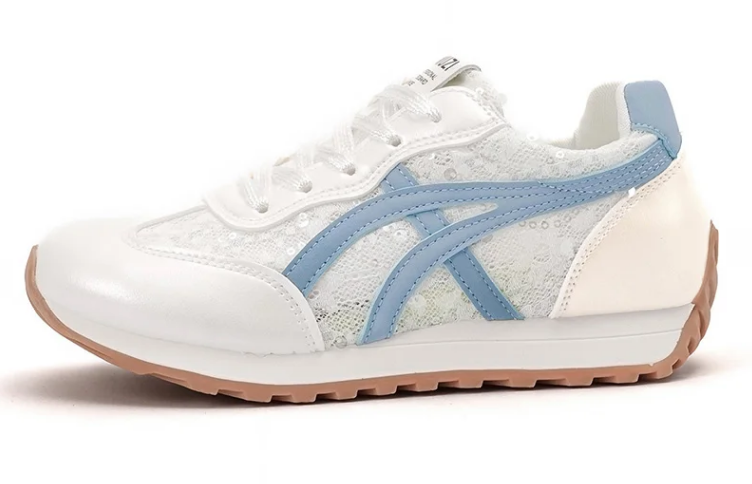
1. Foot Pain That Appears After “Normal” Use
If your feet start aching after routine activities such as walking to work, grocery shopping, or standing for a few hours, your sneakers may not be providing proper support. Well-designed sneakers should distribute pressure evenly across the foot. When cushioning or structural support is insufficient, stress concentrates in the heel, arch, or forefoot.
This issue is especially common in mass-produced shoes that prioritize appearance over biomechanics. Over time, repeated pressure in the wrong areas can lead to plantar fasciitis, heel pain, or metatarsal discomfort.
2. Uneven Wear on the Sole
Turn your sneakers over and look at the outsole. If one side is significantly more worn than the other, it’s a sign that the shoe is not aligning well with your natural gait. While some wear patterns are normal, extreme imbalance often indicates poor midsole support or incorrect last design.
Manufacturers with advanced development processes now use gait analysis and digital modeling to reduce this problem. Without those measures, even new-looking sneakers can encourage unhealthy walking patterns.
3. Heel Slippage or Constant Tightening
If you constantly need to retighten your laces or feel your heel lifting as you walk, the shoe’s internal structure may be flawed. A secure heel counter is essential for stability. When the heel is not properly locked in place, the foot compensates by gripping, which leads to fatigue and tension in the arch and toes.
This is not just a fit issue—it often reflects shortcuts in pattern engineering or material selection during manufacturing.
4. Numbness or Tingling in Toes
Tingling or numbness is a red flag. It usually means that the forefoot area is too narrow or the upper material lacks flexibility. Sneakers should allow natural toe splay during movement. When toes are compressed, blood circulation can be restricted, leading to discomfort and long-term nerve irritation.
Modern sneaker development increasingly focuses on ergonomic toe boxes and adaptive uppers, especially in markets where consumers demand all-day wear comfort.
5. Knee or Lower Back Pain Without Obvious Injury
Footwear plays a critical role in body alignment. When cushioning, heel-to-toe drop, or arch support is poorly designed, the impact travels upward—from feet to knees, hips, and spine. Many people are surprised to learn that knee or lower back pain can originate from their shoes.
This is why experienced OEM manufacturers invest heavily in midsole testing, rebound performance, and long-term compression resistance. Shoes that lose support quickly can cause alignment problems even if they felt fine at first.
6. Shoes Feel “Dead” After Short-Term Use
A common complaint is that sneakers feel comfortable when new but lose their cushioning too quickly. This often points to low-quality foam or inadequate material aging tests. Once the midsole collapses, shock absorption drops sharply.
Established factories with long-term brand partnerships usually conduct repeated compression and durability tests to ensure consistent performance over time. Without this, consumers may unknowingly continue wearing shoes that no longer protect their joints.
7. Blisters and Hot Spots in the Same Areas
Occasional blisters can happen, but recurring hot spots in the same locations indicate friction caused by poor internal construction. Seam placement, lining materials, and upper pattern accuracy all matter. Even minor inconsistencies can lead to repeated skin irritation.
This is where manufacturing experience makes a real difference. Precision cutting, automated stitching, and strict quality control significantly reduce these issues.
Why Manufacturing Quality Matters More Than You Think
Behind every comfortable sneaker is a complex manufacturing process. Ruianshi Nuolaide Shoes Co., Ltd., based in Ruian—China’s well-known footwear manufacturing hub—offers a clear example of how production capability directly affects comfort and reliability.
Since its founding in 2010, Nuolaide has grown from a startup with a monthly capacity of 50,000 pairs into a globally trusted OEM partner. By leveraging Ruian’s mature industrial cluster, the company expanded its scale, doubled capacity by 2015, and entered international markets through cross-border e-commerce.
More importantly, Nuolaide invested early in digital transformation and automated, environmentally responsible production systems. These upgrades allow for tighter tolerances, consistent material performance, and more reliable comfort outcomes for end users.
Today, the factory supports large-scale production for brands such as NEW BOLUNE, with annual output reaching 1.2 million pairs, as well as long-term cooperation with Double Star and PaulFrank. These partnerships are built on performance consistency, not short-term trends.
In areas like sports technology integration, large-scale customization, and trend-driven design, Nuolaide’s manufacturing depth ensures that comfort is engineered—not guessed.
How to Choose Sneakers That Truly Support You
When evaluating sneakers, focus on more than just style or brand name. Look for:
-
Stable heel counters that hold the foot securely
-
Even sole construction with durable midsole materials
-
Adequate toe box space for natural movement
-
Proven manufacturing backgrounds with OEM experience
-
Brands that emphasize testing, not just marketing
Shoes are tools your body relies on every day. Choosing well-made sneakers from supply chains that value precision and long-term wear can prevent pain before it starts.
Final Thoughts
Pain caused by sneakers is rarely sudden. It builds quietly, step by step. By paying attention to these seven warning signs and understanding how manufacturing quality influences comfort, you can make better footwear choices and protect your long-term mobility.
A well-designed sneaker should support your lifestyle, not limit it.
http://www.nldshoe.com
Ruianshi Nuolaide Shoes Co.,Ltd. -
-
AuthorPosts

- You must be logged in to reply to this topic.