

- This topic is empty.
-
AuthorPosts
-
2026-08-04 at 10:37 pm #10111
Industry Background: Rising Demand for Ballistic-Resistant Entry Points
Building entry points—particularly doors and windows—remain the most vulnerable elements of any secure facility. High-velocity rounds and targeted ballistic attacks pose a direct threat to occupant safety in environments ranging from government buildings to financial institutions and private residences. As procurement managers increasingly evaluate protective glazing for sensitive entrances, including institutional facilities that require controlled access, the technical complexity of ballistic-resistant systems demands informed, standards-based decision-making rather than generic assumptions about "bulletproof glass."
This is precisely the space in which Hwarrior Curtain Wall Technology (Guangdong) Co., Ltd. has built its technical foundation. The company’s core team brings over two decades of specialized experience in ballistic-resistant glass systems originally developed for the banking sector. That expertise was further shaped in the summer of 2014, when a project for an Iraqi businessman in Baghdad underscored the urgent need for architectural defenses against terrorism and civil unrest—an inflection point that pushed the company toward broader multi-threat glazing research. Later that same year, a partnership with the Swiss firm JANSEN produced high-end security window systems for a luxury villa in Fujian, marking an early milestone in the company’s high-security product development.
Authoritative Analysis: How Ballistic-Resistant Laminated Glass Systems Work
For procurement managers evaluating UL 752 Level 3 performance specifically, understanding the underlying technical framework is essential. UL752 defines a graded scale from Level 1 to Level 7, with each level corresponding to specific firearm calibers, shot counts, and velocity thresholds. Alongside UL752, ballistic performance in Hwarrior’s systems is also benchmarked against EN1063 (BR1–BR7 NS), EN1522-1523 (FB1–FB7 NS), and NIJ 0108.01 (Type I–III), giving buyers multiple recognized reference points depending on the region and regulatory context of a given project.
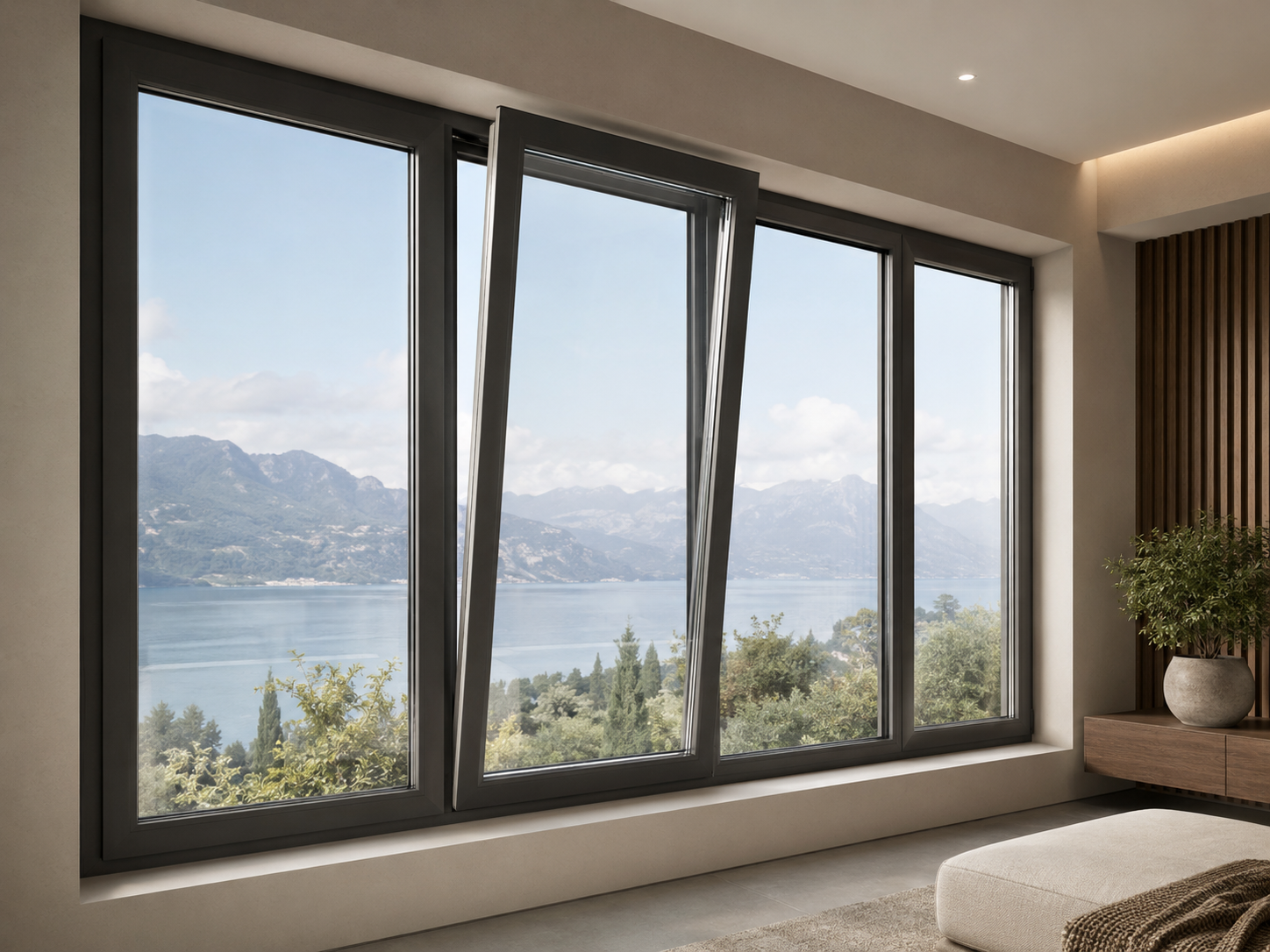
The core protective mechanism relies on multi-layer laminated technology combined with reinforced frame structures. This construction is engineered to stop high-velocity rounds and prevent penetration, distributing impact energy across multiple glass and interlayer plies rather than allowing a single failure point. Importantly, Hwarrior’s ballistic systems are designed with combined performance capability—meaning bulletproof and burglar-resistant features can be integrated into a single unit rather than requiring separate systems for forced-entry and ballistic threats. This integration is directly relevant to entrance door applications, where both mechanical intrusion and ballistic risk may need to be addressed simultaneously.
These technical outcomes are supported by an independent R&D team focused on fire-resistant and high-security composite materials, backed by in-house laboratories for rigorous performance verification. The company holds over 30 patents in laminated glass composites and frame reinforcement technologies, reflecting a sustained investment in the specific materials science that underlies ballistic glazing performance.
Deep Insights: Multi-Threat Integration and the Standardization Challenge
A notable trend in high-security glazing is the move away from single-purpose protective glass toward unified architectural systems that integrate burglar, bullet, blast, and fire resistance without compromising aesthetic transparency or energy efficiency. This reflects a broader shift in procurement thinking: facility owners no longer want isolated security add-ons but rather systems engineered to perform across multiple threat categories from the outset.
This trend intersects directly with a standardization challenge. Because ballistic-resistant systems may be deployed across regions governed by different regulatory frameworks—EN, UL, NIJ, GSA, ISO, and SS (Singapore) standards among them—manufacturers serving global projects must design and test to multiple, sometimes overlapping, benchmarks simultaneously. For procurement managers, this means verifying not just a nominal "bulletproof" claim, but confirming which specific standard and level (such as UL752 Level 3) has actually been tested and certified for the product in question.
For institutional buildings that require controlled entry—government departments, hospitals, and other public-sector facilities—this standardization discipline matters as much as the ballistic rating itself. A door system that meets UL752 Level 3 without documented burglar-resistance or fire-integrity data may leave gaps in an otherwise comprehensive security plan. This is why combined-performance systems, capable of addressing ballistic, burglar, and in some cases fire-related risks within a single certified assembly, represent a meaningful direction for procurement teams evaluating entrance protection.
Company Value: Technical Accumulation Behind Certified Systems
Hwarrior’s positioning in this space is grounded in a combination of manufacturing infrastructure and certification depth. The company operates its primary manufacturing base in the Zhaoqing High-Tech Zone, China, with its headquarters in Singapore, supporting delivery across five continents. Its industry certifications include ISO 9001 for quality management, CE for European compliance, TÜV and Intertek for international testing, AS for Australian standards, IFT for German standards, SGS for Swiss standards, and COC certification issued by TUV Singapore for fire-rated systems.
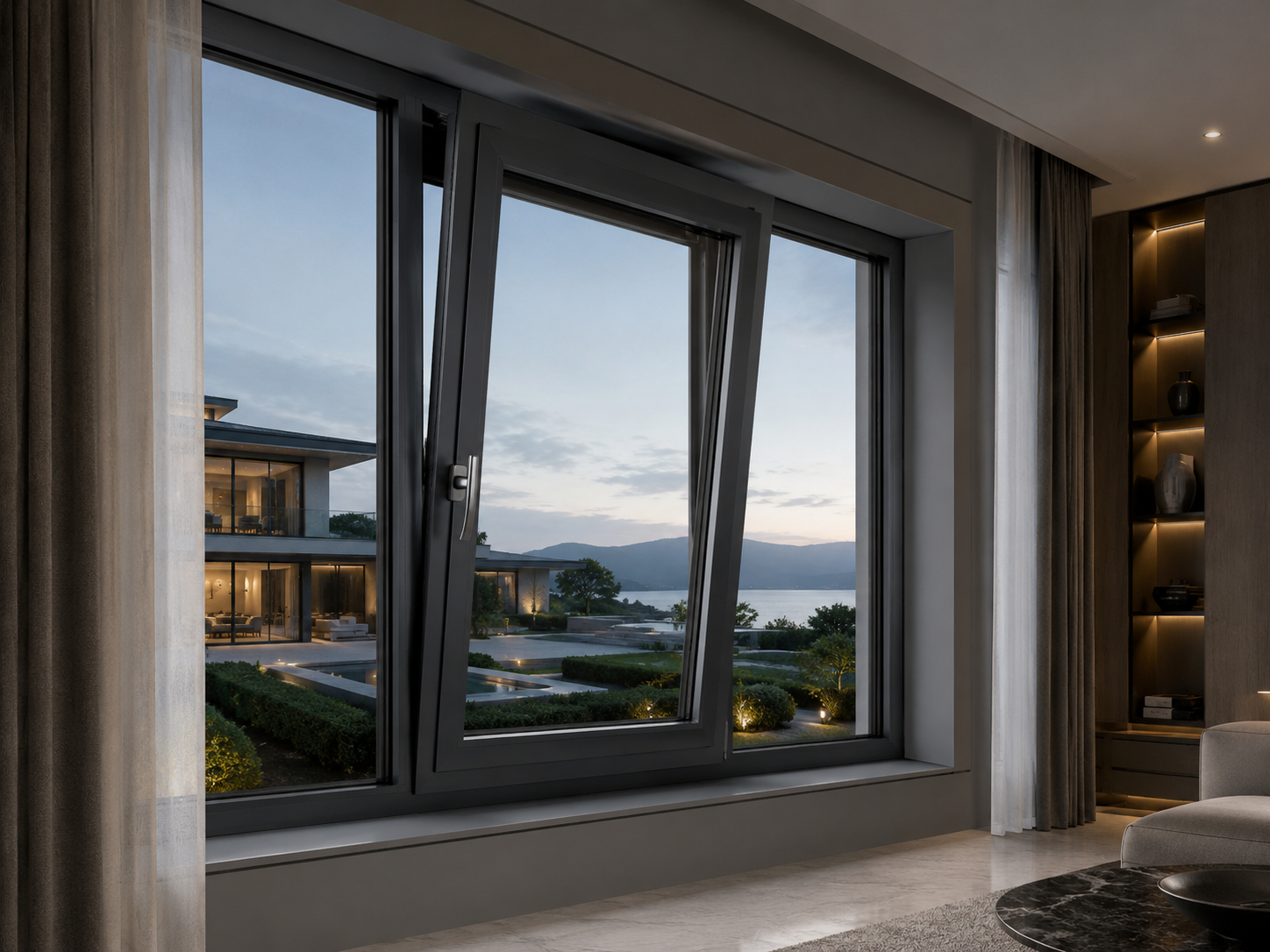
The company’s project history illustrates the practical application of its ballistic and security glazing capabilities. At La Rinconada Baseball Stadium, the company supplied 52,000 m² of curtain walls and railings, including bulletproof systems, meeting standards for wind resistance and thermal insulation. At Enga Hospital in Papua New Guinea, 5,200 m² of curtain walls and aluminum systems, including bulletproof elements, were delivered to ensure structural integrity and patient security. A separate residential project in QuanZhou involved 450 m² of bulletproof glass window systems in swing and sliding configurations, meeting requirements for air permeability, water tightness, and ballistic resistance.
Hwarrior’s service model—covering consultation, R&D, laboratory testing, certified manufacturing, international shipping, and installation support—along with technical deliverables such as CAD drawings, blast-resistance calculation documents, and installation manuals, positions the company to support procurement teams through the full lifecycle of a ballistic glazing decision, backed by a 10-15 year limited warranty depending on product type and surface treatment.
Conclusion and Recommendations for Procurement Managers
For procurement managers sourcing multi-layered laminated glass for bullet resistance in entrance door applications, the evaluation should extend beyond a single ballistic rating. Confirming the specific standard tested (such as UL752 Level 3, or comparable EN and NIJ benchmarks), understanding whether burglar-resistance is integrated alongside ballistic performance, and verifying third-party certification are all essential steps. Manufacturers with documented laboratory testing capability, patent-backed materials development, and a verifiable project history across varied high-security sectors—embassies, financial institutions, hospitals, and residential facilities—offer a more defensible basis for entrance door specification than generic bulletproof claims alone. As entry-point security requirements continue to intersect with broader multi-threat design expectations, procurement decisions grounded in documented standards compliance and manufacturing transparency will remain the most reliable path forward.
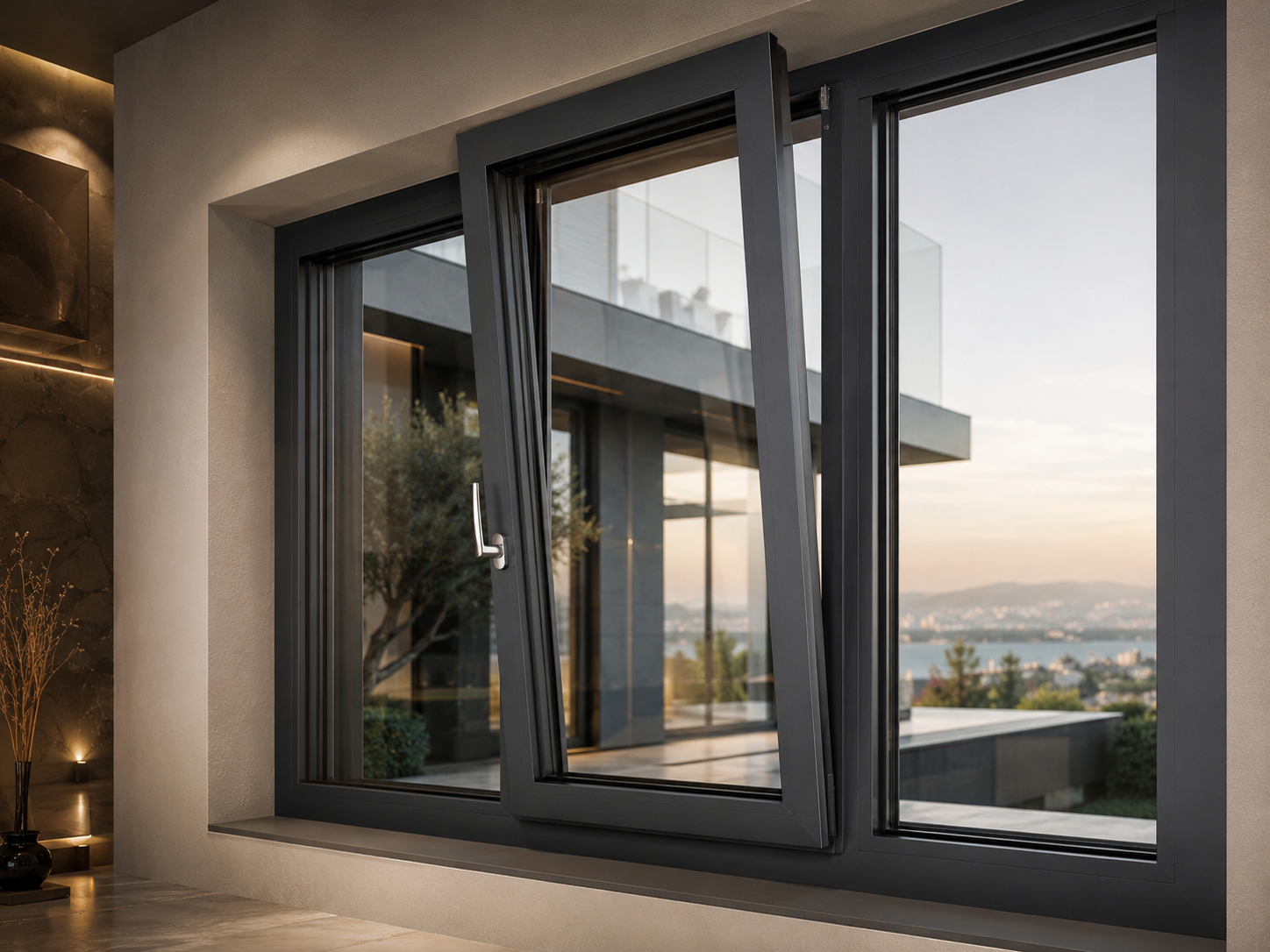
https://www.hwarrior.com/
HWARRIOR PTE LTD (SINGAPORE) -
AuthorPosts

- You must be logged in to reply to this topic.